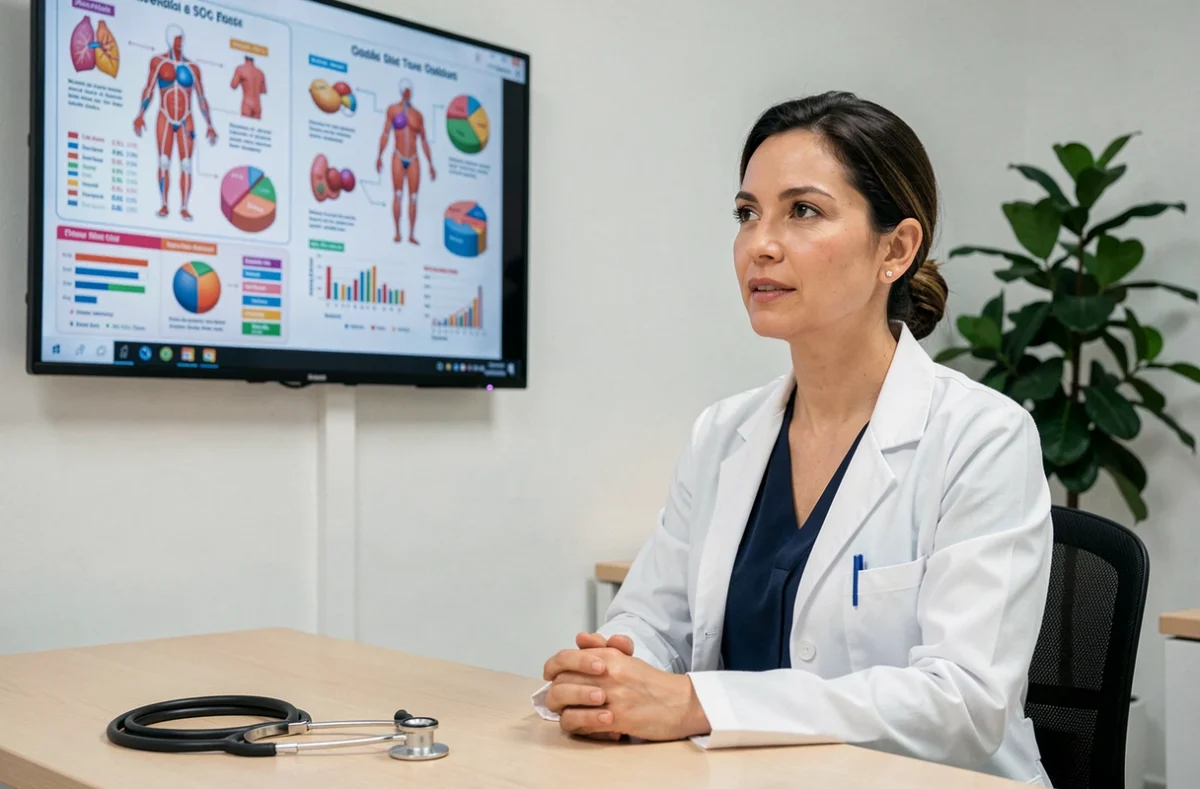
Medical television is no longer limited to a program aired between two news broadcasts. Entire channels, replay platforms, and social media accounts now produce video content focused on health, aimed at both the general public and professionals. This format raises concrete questions: reliability of information, legal framework for promotion, and the viewer’s actual ability to distinguish medical advice from commercial messaging.
Legal Framework for Health Videos in France
Medical videos broadcast online fall under a more stringent legal framework as soon as they have a commercial dimension. Since January 1, 2026, decree no. 2025-1137 of November 28, 2025, requires a written contract when the remuneration and benefits in kind paid by the same advertiser reach 1,000 euros excluding VAT per year for the same promotional objective. This obligation also applies to video collaborations in the health sector.
French law prohibits content creators from presenting a non-therapeutic product or practice as comparable, preferable, or substitutable for a medical treatment. Videos promoting dietary supplements, so-called natural methods, or wellness devices as replacement solutions are directly targeted by this provision.
The video promotion of certain aesthetic procedures is also prohibited, even when the video is clearly marked as sponsored. This point remains unknown to many creators, who expose themselves to sanctions without always realizing the extent of the regulation.
Several French-speaking platforms specializing in health information through video exist today, as can be seen on https://www.med-tv.be/, which broadcasts medical content aimed at the Belgian and French-speaking public.
Mieux Channel from France Télévisions: Audience and Format
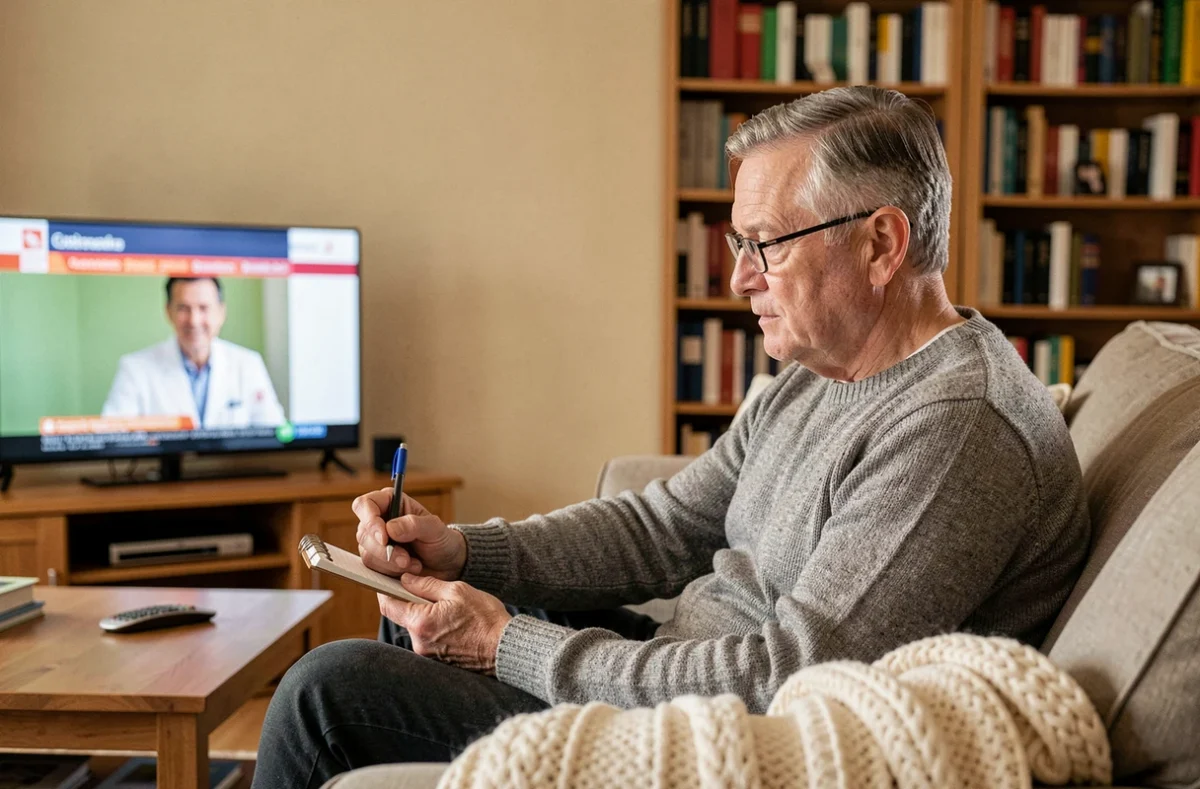
Launched on September 1, 2025, the Mieux channel from France Télévisions quickly surpassed the model of a simple health program. Distributed on set-top boxes, the France.tv app, and social media, it recorded 2.7 million unique viewers per month and over 12 million videos viewed monthly on social media in September 2026.
These figures indicate a real demand from the public for health content in video form provided by an identified broadcaster. The short format, suited to digital usage, coexists with longer shows like Le Mag de la santé, available for replay.
What These Audiences Don’t Reveal
A high number of views does not inform about the quality of the viewer’s understanding of the message. The available data do not allow for conclusions about the actual impact of these videos in terms of health behavior. A viewer who watches a segment on breast cancer for two minutes on their phone does not take away the same insights as a patient consulting their doctor.
Field feedback varies on this point: some health professionals believe that medical television facilitates dialogue during consultations, while others find that patients arrive with self-diagnoses based on poorly understood videos.
Health Misinformation and Video: A Sorting Problem
The proliferation of health video content comes with a documented risk of misinformation highlighted by several industry players. The problem does not stem solely from fraudulent or sensationalist content. It also relates to the difficulty of prioritizing sources.
A doctor interviewed on a recognized channel, a naturopath filmed in their office, and an influencer paid by a dietary supplement company appear in the same stream of results. The viewer must sort through this information, which nothing in the platform interfaces truly facilitates.
Several criteria can help evaluate the reliability of a health video:
- The identity and qualifications of the professional speaking are clearly displayed (doctor, pharmacist, researcher), along with their specialty
- The video explicitly distinguishes established medical facts from hypotheses or personal opinions
- Any commercial links or funding are mentioned visibly, in accordance with current legislation
- The cited scientific sources are verifiable (journal, institution, clinical trial registry)
Medical Television and the Doctor-Patient Relationship
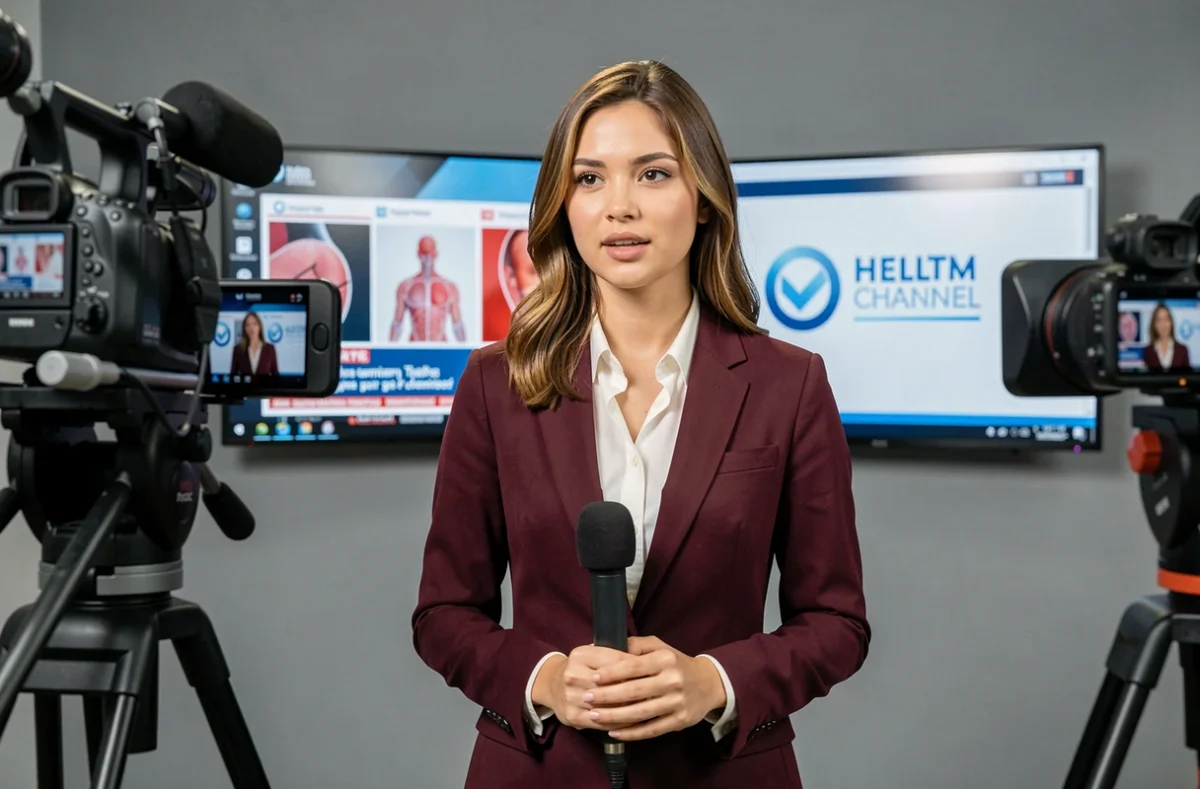
Mass access to health advice videos alters the dynamics of consultations. Patients consult after watching a report on a condition and arrive with specific questions, sometimes relevant, sometimes influenced by incomplete content.
The video format enhances the understanding of technical procedures (self-measuring blood pressure, using an injection device) better than text or a static diagram. However, it also simplifies complex subjects to the point of creating biases. A three-minute segment on generic medications cannot cover bioequivalence, excipients, and drug interactions.
Medical television serves as a tool for awareness, not as a substitute for a doctor’s advice. This distinction seems obvious on paper. In daily practice, the boundary blurs when the video format gives the viewer the impression of having understood a subject they have only skimmed.
The development of health channels in digital media reignites the debate on labeling reliable medical video content, similar to the existing certification for health websites. No equivalent system exists today for video.