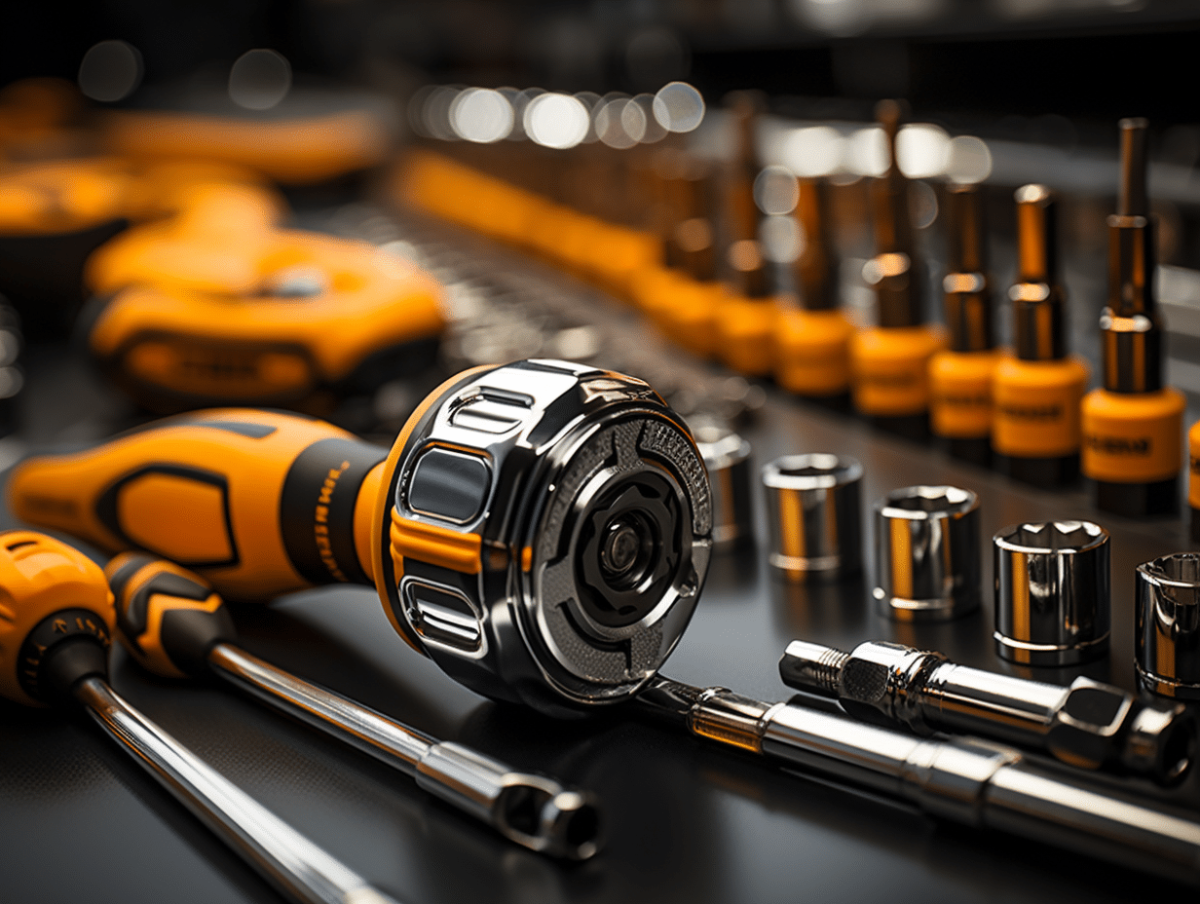
The history of tools in France is rich and varied, reflecting a craftsmanship that is often ancestral. Iconic brands like Facom, known for their robustness and reliability, have dominated the professional market for decades. Meanwhile, others such as Bosch, although of German origin, have managed to win the hearts of French DIY enthusiasts through constant innovation. There are also companies like Leroy Merlin with its Dexter brand, which offer accessible tools tailored to the needs of hobbyists. Each of these entities has developed specificities that meet the demands of manual trades and DIY, thus shaping the landscape of tools in France.
The roots of tooling in France: a journey through the history of iconic brands
The tooling sector in France has its roots in a deep industrial and artisanal history. The work of steel, starting from the Middle Ages, laid the foundations of a know-how that, century after century, has been refined. In the 18th century, with the Industrial Revolution, small family forges transformed into full-fledged industries, marking the beginning of an era where tool production would become a symbol of national industrial capability.
The rapid rise of industries in the 19th century saw the birth of French brands that are still synonymous with quality and durability today. These companies, often initiated by visionary toolmakers, survived the upheavals of the two world wars, periods during which their production was sometimes redirected towards the war effort, but always with a concern for excellence.
The post-World War II period was a turning point for French tooling. The 20th century saw the emergence of a technological revolution that allowed these historic brands to modernize and diversify. Mechanization and automation of production processes enabled them to meet growing demand while preserving the reputation for sturdiness and precision that characterizes French tools.
In this historical panorama, you must mention ‘Parkside: origin’ which is German but present in the French market with a range of power tools. Although it does not share the same heritage as French brands, Parkside fits into the same tradition of rigor and adaptation to the current needs of consumers and professionals, thus illustrating the openness of the French market to international products and its ability to integrate foreign products without neglecting its heritage.
Specificities and innovations: what distinguishes French tooling leaders today
In the face of market globalization and rapid technological evolution, French tooling leaders are constantly reinventing themselves. Innovation remains the watchword, whether through the integration of artificial intelligence or the use of augmented reality in the development of new products. These cutting-edge technologies not only improve the quality and precision of tools but also optimize the work of the end user, whether they are a professional or an informed amateur.
In the wake of digital transformation, the traditional tool is evolving into a connected product, capable of providing valuable data for its use. The rise of the digital twin, for example, illustrates this ability to simulate the use of the tool in a virtual environment even before its production. This approach allows for anticipating needs and unprecedented customization, thus responding to the growing demand of an increasingly demanding market.
Sustainability is also a strategic focus for French tooling brands. Aware of environmental challenges, these companies are committed to greener production and innovative recycling strategies. The growing awareness among small and medium-sized enterprises (SMEs) of the importance of eco-design is reflected in an offering of ethical and sustainable products. This ecological orientation does not come at the expense of performance; it is accompanied by improvements in manufacturing processes and a constant search for materials with low environmental impact.