Unused corners of the house can become treasures of space and functionality. Whether it’s a dusty attic, a dark basement, or an unusual alcove, every square meter counts. Transforming these neglected areas can not only enhance the aesthetics of your home but also increase its value.
Start by assessing your household needs: a playroom for the kids, a quiet office, or even a cozy reading nook. Consider light, ventilation, and storage to create a pleasant and practical environment. With a little creativity and some tools, these spaces can reveal their full potential.
Assessing and Planning the Use of Unused Spaces
To effectively transform an unused space, start with a thorough assessment. Identify areas of your home that can be reimagined. Attics, for example, are often overlooked. With sufficient ceiling height, these spaces can become guest rooms or offices.
Also consider the spaces under the stairs. An appropriate ceiling height allows for the creation of an elegant wine cellar or a relaxation corner. Transforming these spaces requires careful planning to ensure their functionality and aesthetics.
- Attics: optimize the space to make it a bedroom or office
- Under the stairs: create a storage space or reading nook
- Unused closets: transform them into additional storage areas
When designing these spaces, consider technical aspects such as thermal and acoustic insulation, especially in attics. Good insulation improves the comfort and energy efficiency of your home. Be sure to comply with local regulations, particularly regarding structural modifications.
Transforming unused spaces into functional and aesthetic living areas is not only an enhancement of your living environment but also an appreciation of your property. Follow these steps and unleash your creativity to optimize every square meter of your home.
Creative Ideas for Transforming Unused Spaces
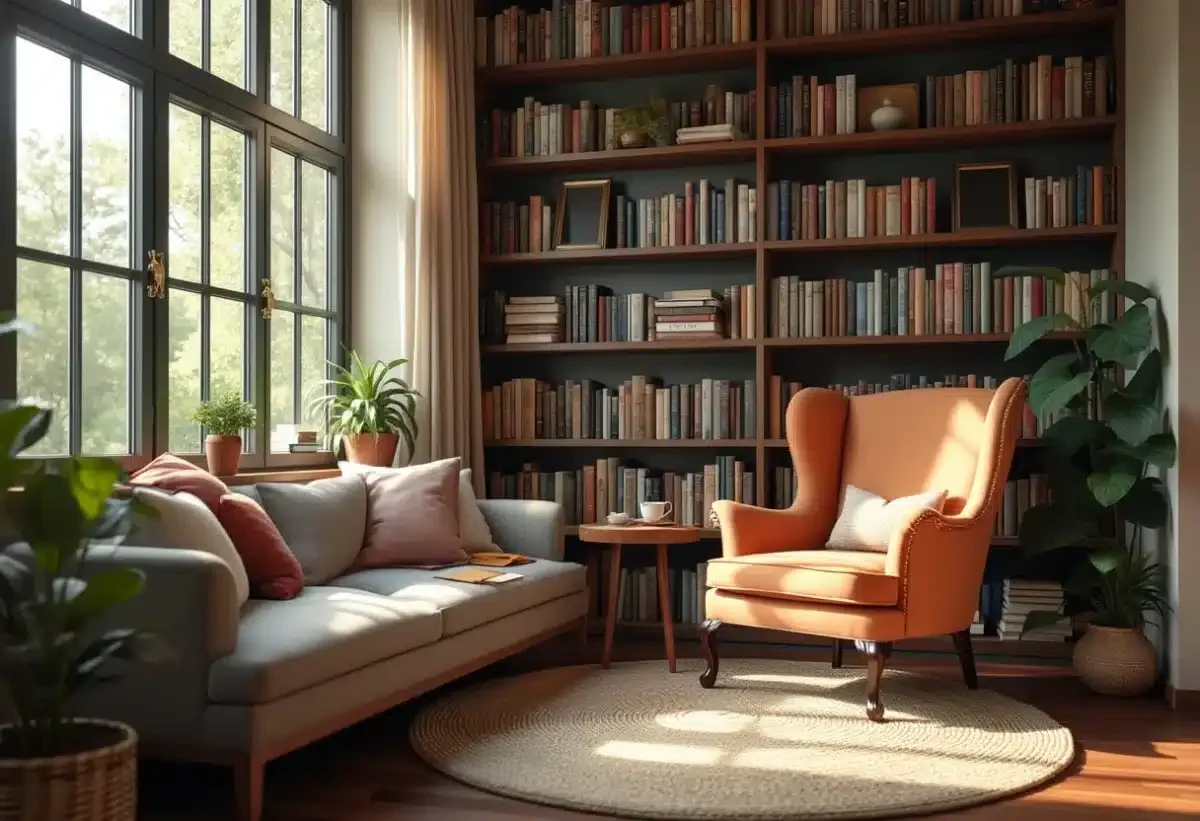
To reinvent your interior, explore creative ideas that maximize the use of forgotten spaces. Under the stairs, for example, install a custom bench to create a cozy reading nook. Add shelves for a built-in library, optimizing every square inch.
In the bedroom, consider creating an alcove near the bed. Transform it into a library or a workspace. Use wood for the shelves, bringing a warm and natural touch. Painting the alcove a different color will visually delineate the space, making it more distinct.
- Bench under the stairs: reading nook or storage space
- Alcove in the bedroom: library or office
Even small entries can be optimized. Install clever storage modules to accommodate shoes and coats. In a small bedroom, use the space under the bed for storage drawers. A dressing area can be set up behind the bed to maximize available space.
In the living room, an alcove can become a functional workspace. Add a desk and shelves to create a discreet yet practical office corner. Painting this alcove in a contrasting color helps to visually distinguish it from the rest of the room while adding a design touch.
These creative ideas demonstrate that every space, even the smallest, has the potential to become a functional and aesthetic place. Use the resources available and let your imagination run wild to transform your home into an optimized and harmonious space.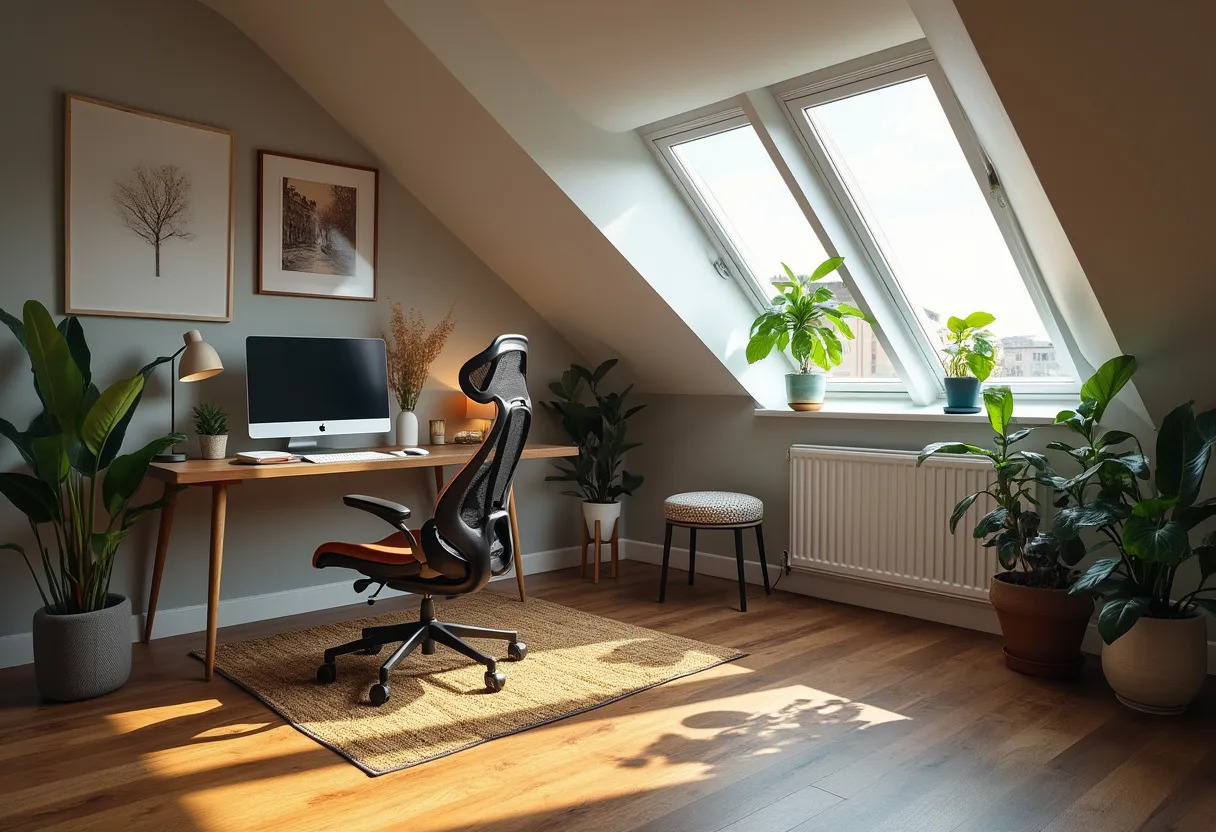
Key Steps for Successful Layout
Assessing and Planning the Use of Unused Spaces
To transform the unused spaces in your home, start by assessing their potential. Attics, often neglected, can become additional living spaces. Sufficient ceiling height is necessary to convert the space under the stairs into a relaxation area. Every nook of your home can be optimized to create functional and aesthetic zones.
- Attics: Create additional living spaces.
- Ceiling height: Transform the space under the stairs into a relaxation area.
Choosing Appropriate Materials and Colors
The choice of materials and colors plays a fundamental role in the layout. Wood is a commonly used material for libraries and other custom furniture. Painting an alcove a different color allows for visual delineation of the space, creating distinct and harmonious zones.
Optimizing Storage Spaces
Optimizing storage spaces is essential for a successful layout. Use the space under the bed for additional storage. In a small entry, install clever storage modules to accommodate shoes and coats. A dressing area behind the bed maximizes available space in the bedroom without cluttering the room.
| Spaces | Use |
|---|---|
| Under the bed | Additional storage |
| Behind the bed | Dressing area |
Creating Work and Relaxation Zones
In the living room, an alcove can become a functional workspace. Add a desk and shelves to create a discreet yet practical office corner. A custom bench under the stairs provides a cozy reading nook. Comfortable armchairs are essential for creating pleasant relaxation corners.
These key steps will guide you in transforming your home into an optimized and harmonious space that meets your daily needs.